
How Care Memory Shapes Relationships, Healing, and Personal Growth
Memory is more than a record of the past. It forms the foundation of relationships, emotions, and identity. Among the many types of memory that influence human experience, care memory plays a particularly powerful role. Care memory reflects the emotional imprint left by moments of compassion, comfort, and meaningful human connection.
For older adults, especially those navigating transitions into Assisted Living, Memory Care, or other Senior Living Communities, care memory becomes a bridge between familiar past experiences and new chapters of life. Understanding care memory helps families, caregivers, and Senior Living Communities create environments that promote healing, dignity, and personal growth.
Whether someone is aging independently, living in Independent Living Communities, or receiving specialized support, nurturing positive emotional memory can transform the experience of aging.
What Is Care Memory?
Care memory refers to the emotional and psychological memory formed through experiences of being cared for and caring for others. Unlike factual memory, which focuses on events and details, care memory is tied to feelings of safety, comfort, love, and belonging.
From early childhood through later adulthood, humans store emotional experiences that shape how they respond to relationships and environments. When people feel supported and valued, the brain associates those experiences with security and trust. These impressions can remain powerful even when cognitive abilities change.
In Assisted Living or Memory Care environments, care memory is especially important because familiarity and emotional resonance help residents maintain a connection to their identity. Music, familiar scents, meaningful conversations, and compassionate gestures can evoke strong responses even when other memories fade.
How Care Memory Supports Emotional Healing
Emotional healing goes beyond overcoming trauma. For older adults, it often involves preserving dignity, maintaining identity, and feeling valued in relationships.
Care memory contributes to healing by reinforcing the sense that a person is worthy of attention and compassion. Consistent kindness and patience reduce stress and promote emotional stability.
Senior Living Communities are uniquely positioned to support this process. Structured social environments, compassionate caregiving, and personalized attention help reinforce positive emotional patterns.
For families transitioning a loved one into Assisted Living or Independent Living, the emotional shift can be challenging. Focusing on care memory allows families to reframe the experience as a continuation of loving support rather than a loss of independence.
In Memory Care environments, caregivers often use sensory stimulation, familiar routines, and gentle communication to reinforce emotional security, helping residents maintain moments of clarity and comfort.
The Role of Relationships in Building Care Memory
Human connection is the primary driver of care memory formation. Relationships with family members, caregivers, and community members shape how older adults perceive their environment.
Positive relationships are built through consistent communication, empathy, and respect for personal history. Listening to life stories, preferences, and cultural traditions reinforces a resident’s sense of self.
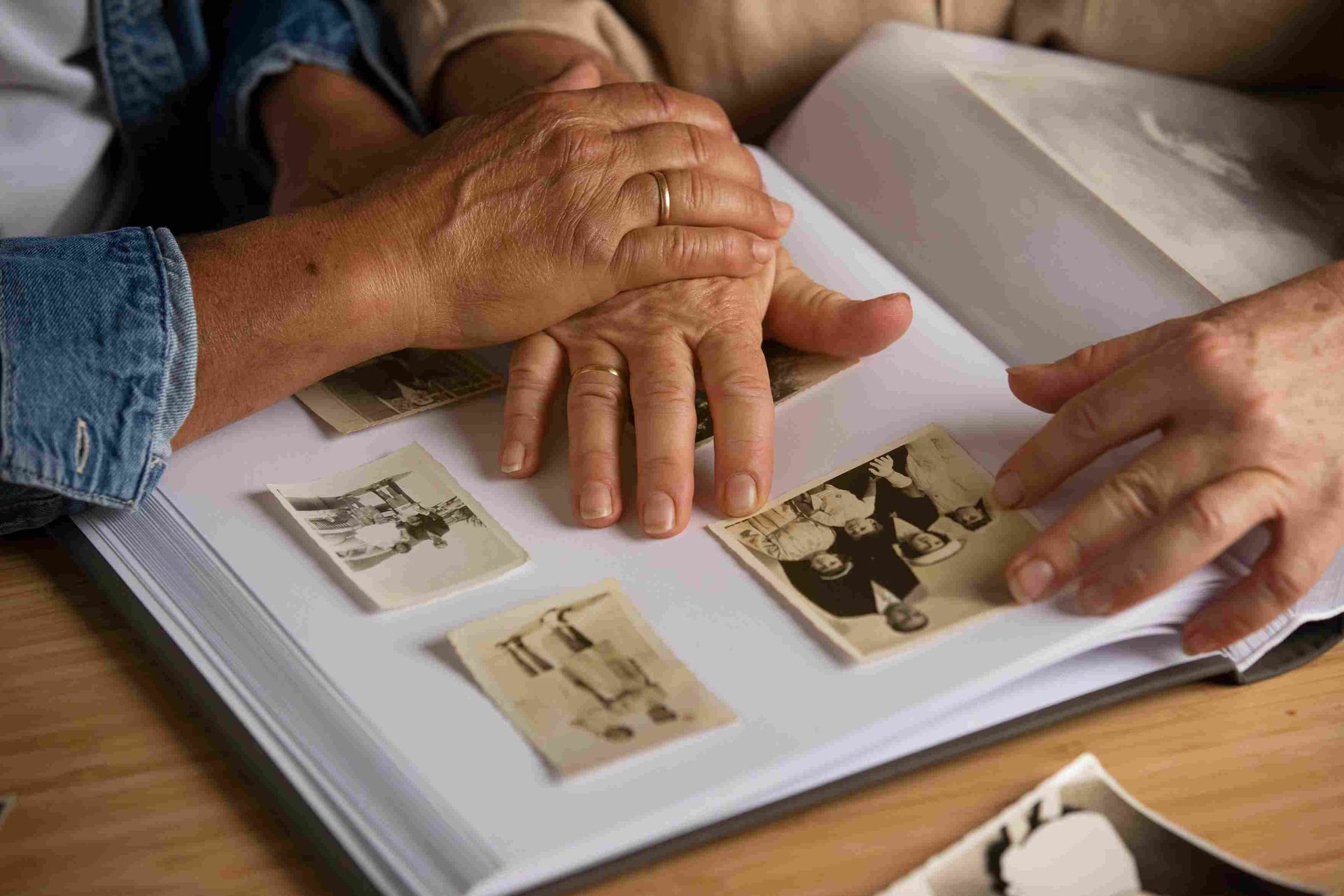
Modern senior care philosophy emphasizes holistic wellness. Assisted Living Communities now focus on emotional, social, and psychological support in addition to physical care. Families can support relationship-centered care by encouraging storytelling, sharing family photos, or enjoying favorite music together.
Care Memory and Cognitive Wellness
Cognitive health and emotional memory are closely connected. While aging can bring challenges with memory retention, maintaining meaningful emotional experiences preserves quality of life.
Programs like art therapy, music therapy, and life reminiscence activities stimulate emotional recall. Music is particularly powerful because it evokes emotional storage in the brain. Even individuals experiencing advanced cognitive impairment may respond to songs associated with important life events.
Senior Living Communities that prioritize personalized programming create opportunities for residents to engage with their past in meaningful ways.
The Importance of Environment in Shaping Care Memory
Physical surroundings influence emotional memory formation. Spaces that feel safe, welcoming, and familiar help reinforce positive psychological responses.
Design elements such as natural lighting, comfortable seating, accessible walking areas, and meaningful décor contribute to emotional comfort.
Assisted Living and Independent Living Communities increasingly adopt person-centered design approaches. Familiar objects, photographs, and personal items can trigger comforting emotional responses, while calm soundscapes help residents feel grounded.
Care Memory and Personal Identity Preservation
One of the greatest fears associated with aging is losing a sense of identity. Care memory serves as a protective factor.
When residents are treated as unique individuals rather than patients, their life stories remain central to their experience. This is especially important in Memory Care, where cognitive changes can make self-expression difficult. Gentle conversation, familiar activities, and consistent caregiving staff help maintain continuity of self.
Family Roles in Supporting Care Memory
Families play a critical role in reinforcing positive emotional experiences. Visits, phone calls, video chats, and shared activities all contribute.
Bringing familiar foods, listening to favorite music, or reviewing family photo albums strengthens emotional bonds. Families should communicate personal preferences and meaningful experiences to caregivers.
Organizations like Care Concierge Senior Living Advisors help families navigate these decisions by offering personalized guidance, emphasizing environments that respect emotional, physical, and lifestyle needs.
Technology and Modern Care Memory Support
Technology can enhance care memory without replacing human interaction. Digital photo frames, video messaging platforms, and cognitive engagement apps help residents revisit familiar experiences.
However, technology should complement, not replace, human care. The heart of care memory is the relationship.
Practical Ways to Strengthen Care Memory
Families and caregivers can support care memory with daily practices:
- Maintain consistent visitation and communication
- Encourage storytelling and life reflection
- Use sensory cues like familiar music or scents
- Respect personal routines and preferences
- Celebrate life milestones and achievements
- Promote social engagement within senior Communities
These simple actions create meaningful emotional impact over time.
The Lasting Impact of Care Memory
Care memory is more than a concept; it is a philosophy of human connection. People are shaped not only by what they remember but by how they feel remembered.
When kindness, respect, and emotional presence are prioritized, Senior Living Communities become more than a service, they become a continuation of meaningful life experience.
Families exploring senior care options can benefit from professional guidance. Care Concierge Senior Living Advisors focus on helping families find Communities aligned with both practical needs and emotional values.
Frequently Asked Questions
What is Memory Care and who is it for?
Memory Care is specialized senior care designed for individuals living with Alzheimer’s disease or other forms of dementia. It provides structured routines, enhanced safety, and personalized support within senior living communities.
How is Memory Care different from Assisted Living?
While Assisted Living helps seniors with daily activities, Memory Care offers additional supervision, cognitive support, and specialized programs tailored to individuals with memory-related conditions.
How do I know when Memory Care is needed?
Memory Care may be necessary if a loved one shows signs of memory loss, confusion, wandering, or difficulty safely managing daily tasks in an independent or assisted living setting.
What services are included in Memory Care Communities?
Memory Care communities typically provide medication management, 24-hour supervision, structured daily routines, and programs designed to support cognitive function and emotional well-being.
How can I find the right Memory Care Community?
Working with professionals like Care Concierge Senior Living Advisors can help you explore personalized options, compare communities, and find the best fit for your loved one’s specific needs.