

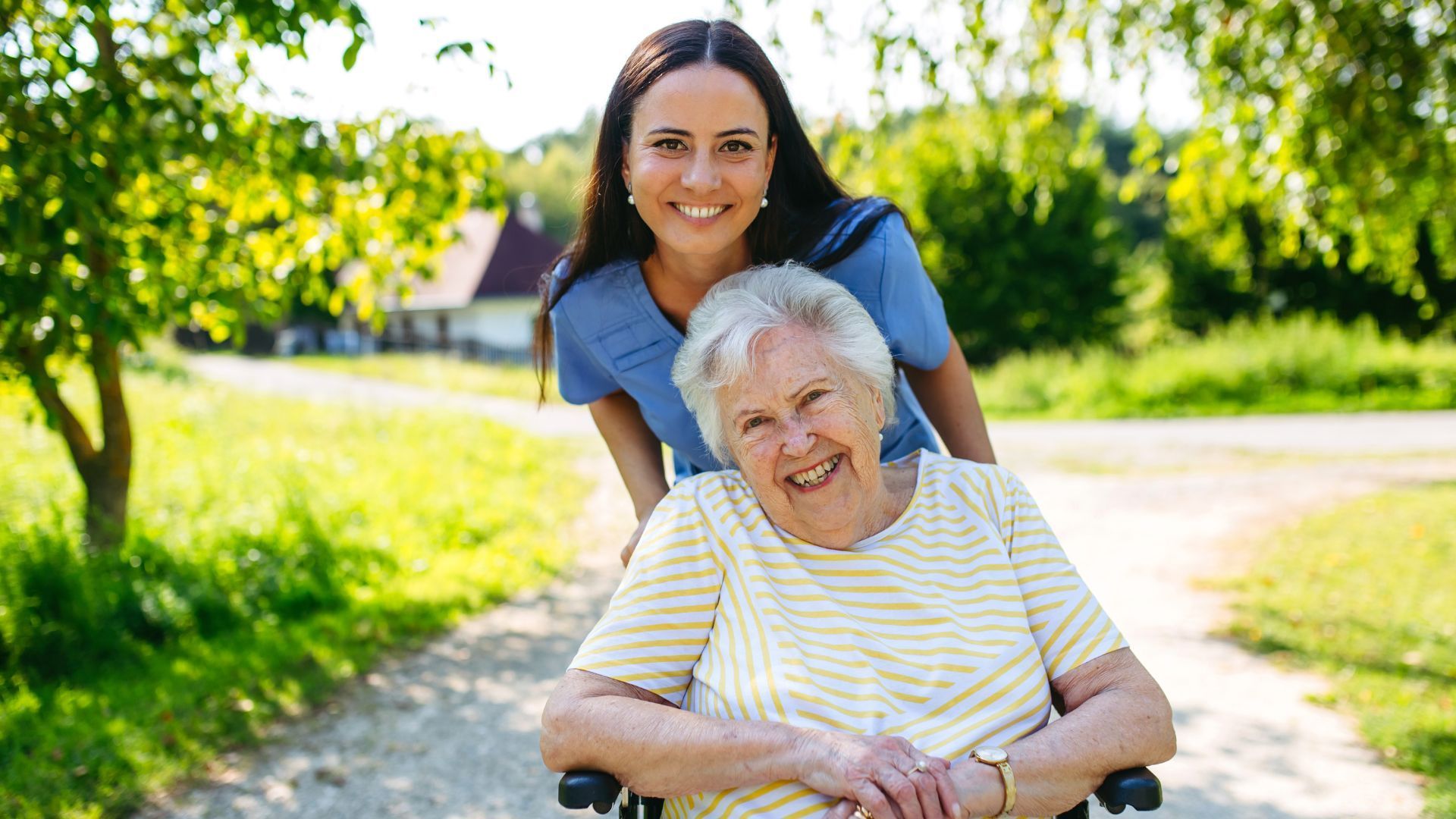
As people age, maintaining strong social connections becomes increasingly important for emotional well-being, mental health, and overall quality of life. Yet many older adults experience loneliness and isolation due to retirement, mobility challenges, health concerns, or the loss of close friends and family members.
This is one of the reasons why Senior Assisted Living has become such an important solution for aging adults and their families. Beyond providing support with daily activities, Senior Assisted Living communities create opportunities for meaningful interaction, companionship, and community engagement.
Today’s Senior Assisted Living environments are designed to help residents remain socially active, emotionally connected, and engaged in everyday life. Through shared experiences, group activities, and relationship-centered care, seniors can enjoy a stronger sense of belonging and purpose.
For families exploring care options, understanding the social benefits of Senior Assisted Living can make the decision process feel more positive and reassuring.
The Importance of Social Connection for Seniors
Human connection plays a major role in emotional and physical health at every stage of life. For seniors, maintaining relationships and social interaction can help reduce feelings of loneliness while supporting cognitive and emotional wellness.
Research consistently shows that socially engaged older adults often experience:
● Lower stress and anxiety levels
● Improved emotional well-being
● Better cognitive stimulation
● Increased confidence and independence
● Greater overall life satisfaction
Unfortunately, many seniors living alone face barriers that limit social engagement. Transportation challenges, health concerns, and reduced mobility can make it difficult to participate in activities or maintain regular interaction with others.
This is where Senior Assisted Living communities provide meaningful support by creating built-in opportunities for daily connection and engagement.
How Senior Assisted Living Creates Opportunities for Social Engagement
One of the greatest advantages of Senior Assisted Living is the sense of community it provides. Residents are surrounded by peers, caregivers, and staff members who encourage participation and interaction throughout the day.
Unlike isolated living situations, Senior Assisted Living communities are intentionally designed to foster social connection through shared spaces, planned activities, and group experiences.
Shared Dining Experiences
Dining is one of the most important social experiences within Senior Assisted Living communities. Shared meals encourage conversation, friendship, and routine interaction.
Instead of eating alone, residents have opportunities to connect with others in welcoming dining environments. These interactions help build familiarity and strengthen relationships over time.
Group Activities and Events
Modern Senior Assisted Living communities offer a wide range of social programs tailored to resident interests and abilities. Activities may include:
● Exercise and wellness classes
● Game nights and trivia events
● Arts and crafts sessions
● Movie screenings
● Gardening clubs
● Music and entertainment programs
● Educational workshops
These experiences help residents stay mentally stimulated while building friendships within the community.
Community Celebrations and Gatherings
Holiday events, birthday celebrations, and seasonal gatherings create additional opportunities for social interaction. These shared experiences encourage residents to feel connected to their community while maintaining traditions that bring comfort and familiarity.
Senior Assisted Living and Emotional Well-Being
Social connection has a direct impact on emotional health. Seniors who feel connected and included are more likely to experience confidence, security, and happiness.
Senior Assisted Living communities help reduce feelings of loneliness by providing consistent opportunities for engagement and companionship. Residents often develop close friendships with neighbors and caregivers, creating support systems that improve emotional stability.
This sense of belonging can be especially important during major life transitions. Moving into a new environment may initially feel overwhelming, but strong community support often helps residents adapt more comfortably and confidently.
Supporting Cognitive Wellness Through Social Interaction
Social engagement also plays an important role in cognitive health. Regular interaction stimulates the brain through conversation, activities, and shared experiences.
In Senior Assisted Living communities, daily engagement helps residents remain mentally active and connected to their surroundings. Activities that involve memory, problem-solving, and creativity encourage cognitive stimulation in enjoyable and accessible ways.
Many communities also incorporate programs specifically designed to support brain health, including:
● Reading groups
● Music therapy
● Brain games and puzzles
● Reminiscence activities
● Interactive educational sessions
These programs support both cognitive wellness and emotional connection.
The Role of Caregivers in Building Social Connection
Caregivers play an essential role in creating positive social experiences within Senior Assisted Living communities. Beyond assisting with daily tasks, caregivers help residents feel seen, heard, and valued.
Relationship-centered care has become a major focus in modern senior living. Staff members often take time to learn about residents’ personal histories, interests, hobbies, and preferences. These conversations help create trust and meaningful interaction.
Simple gestures like remembering favorite activities, encouraging participation, or engaging in friendly conversation can have a lasting emotional impact.
Family Involvement in Senior Assisted Living
Families remain an important part of a senior’s social support system even after transitioning into Senior Assisted Living.
Many communities encourage family participation through:
● Family events and celebrations
● Shared meals and visits
● Community activities open to loved ones
● Virtual communication opportunities
This balance of family involvement and community engagement helps seniors maintain important relationships while expanding their social circles.
Organizations like Care Concierge Senior Living Advisors help families identify communities that prioritize both emotional well-being and social connection, ensuring seniors feel supported in every aspect of daily life.
How Senior Assisted Living Promotes Independence Through Connection
One common misconception is that Senior Assisted Living reduces independence. In reality, social support often helps seniors maintain independence longer.
When residents feel emotionally supported and socially engaged, they are more likely to participate in activities, maintain routines, and stay physically active.
The structured yet flexible environment of Senior Assisted Living allows residents to receive assistance where needed while continuing to make personal choices and maintain meaningful daily routines.
Choosing the Right Senior Assisted Living Community
Not all Senior Assisted Living communities offer the same social environment. Families should look for communities that prioritize engagement, relationship-building, and resident-centered programming.
Important questions to ask include:
● What types of activities are offered daily?
● How does the community encourage resident interaction?
● Are there programs tailored to different interests and abilities?
● How are new residents welcomed into the community?
● What opportunities exist for family involvement?
Communities that focus on emotional wellness alongside physical care often provide the strongest overall quality of life.
How Care Concierge Senior Living Advisors Can Help
Finding the right Senior Assisted Living community can feel overwhelming, especially when comparing care options, amenities, and social programs.
Care Concierge Senior Living Advisors helps families navigate this process with personalized guidance and compassionate support. Their team works closely with families to identify communities that align with a senior’s lifestyle, care needs, personality, and social preferences.
Whether families are exploring Senior Assisted Living, Independent Living, Memory Care, or Nursing Home options, professional advisors help simplify the search process and provide clarity during important decisions.
By focusing on both practical care and emotional well-being, Care Concierge Senior Living Advisors helps families find communities where seniors can truly thrive.
The Lasting Impact of Social Connection in Senior Assisted Living
Social connection is one of the most valuable aspects of healthy aging. Meaningful relationships, shared experiences, and daily engagement help seniors maintain emotional wellness, cognitive stimulation, and a sense of purpose.
Senior Assisted Living communities provide far more than daily care support. They create opportunities for friendship, belonging, and personal growth that positively impact every aspect of a senior’s life.
For families navigating senior care decisions, choosing a community that prioritizes social engagement can make a meaningful difference in a loved one’s happiness and overall well-being.
Frequently Asked Questions
What is Senior Assisted Living?
Senior Assisted Living provides housing, personal care support, and daily assistance for seniors who need help with activities such as medication management, dressing, or mobility while maintaining as much independence as possible.
How does Senior Assisted Living help reduce loneliness?
Senior Assisted Living communities offer daily social opportunities through group activities, dining experiences, events, and shared living environments that encourage interaction and companionship.
Can seniors maintain independence in Senior Assisted Living?
Yes. Senior Assisted Living is designed to support independence by providing help only where needed while allowing residents to remain active, engaged, and socially connected.
What types of social activities are offered in Senior Assisted Living communities?
Activities may include fitness classes, games, arts and crafts, music programs, educational workshops, group outings, and community celebrations.
How do I choose the right Senior Assisted Living community?
Families should evaluate care services, social programs, community culture, staff support, and opportunities for engagement. Working with professionals like Care Concierge Senior Living Advisors can help simplify the process and identify the best fit for your loved one.